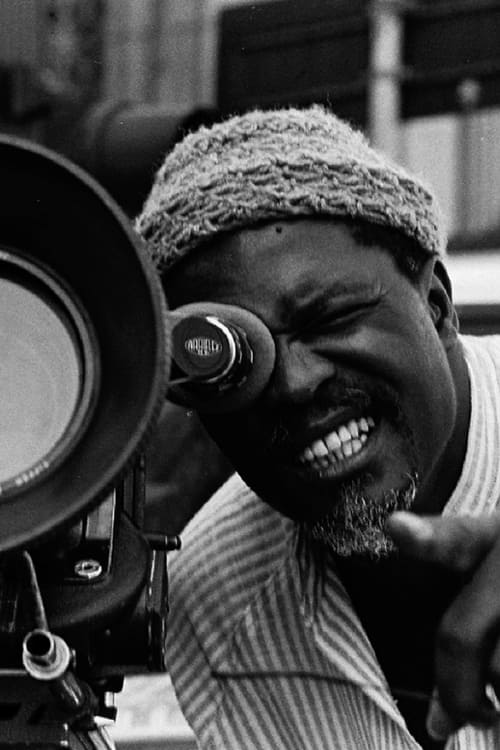
Zózimo Bulbul
Biography
A Brazilian filmmaker, actor, producer and screenwriter, Jorge da Silva, better known by his stage name Zózimo Bulbul, is regarded as a household name of black Brazilian cinema. He was also the founder of Rio de Janeiro's Black Cinema Center ("Centro Afro Carioca de Cinema").
As an actor, he worked in over 30 features, and was directed by filmmakers such as Glauber Rocha (in "Terra em Transe"), Carlos Diegues ("Quilombo") and Antunes Filho ("...
A Brazilian filmmaker, actor, producer and screenwriter, Jorge da Silva, better known by his stage name Zózimo Bulbul, is regarded as a household name of black Brazilian cinema. He was also the founder of Rio de Janeiro's Black Cinema Center ("Centro Afro Carioca de Cinema").
As an actor, he worked in over 30 features, and was directed by filmmakers such as Glauber Rocha (in "Terra em Transe"), Carlos Diegues ("Quilombo") and Antunes Filho ("Compasso de Espera"), becoming the first black man to play a main character in a Brazilian TV soap opera, in 1969's "Vidas em Conflito".
His debut as a filmmaker was 1974's black and white short "Alma no Olho". With his work focusing in raising awareness to Brazilian black culture, Bulbul remained an active filmmaker until his death in 2013. His most well known film, as a director, is 1988's "Abolição", a lengthy documentary that gives critical thoughts on Brazil's 1888's ending of slavery and in what changed for the country's Black people over the course of a century.
Top Movies & Series
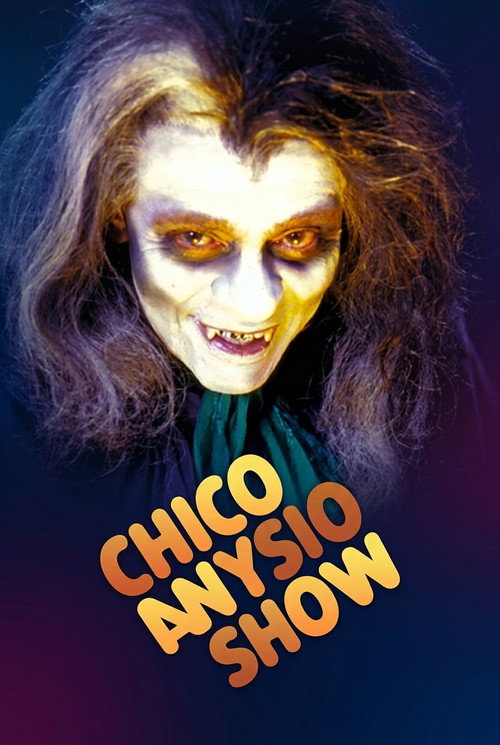
Chico Anysio Show
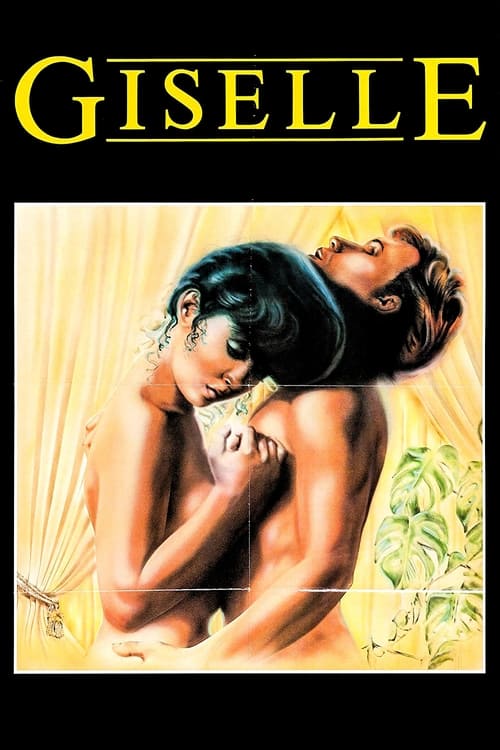
Giselle
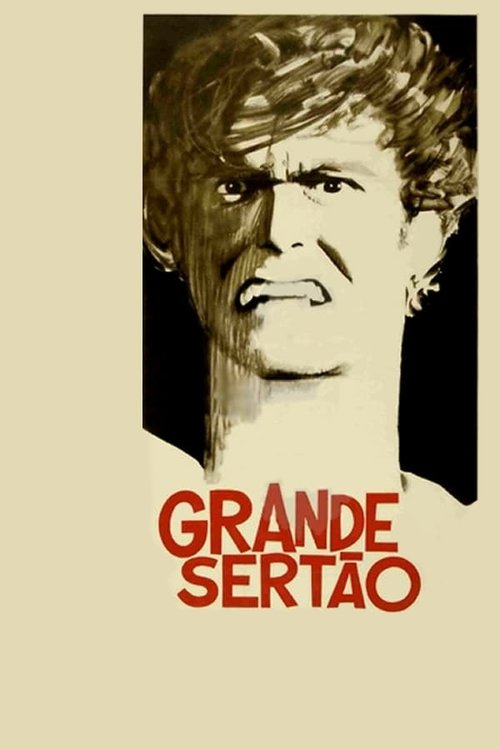
Grande Sertão

Entranced Earth
In Evil Hour
Sagarana: O Duelo
Abdias Nascimento

The Girl from Ipanema
Veja & Ouça - Maria Baderna no Brasil
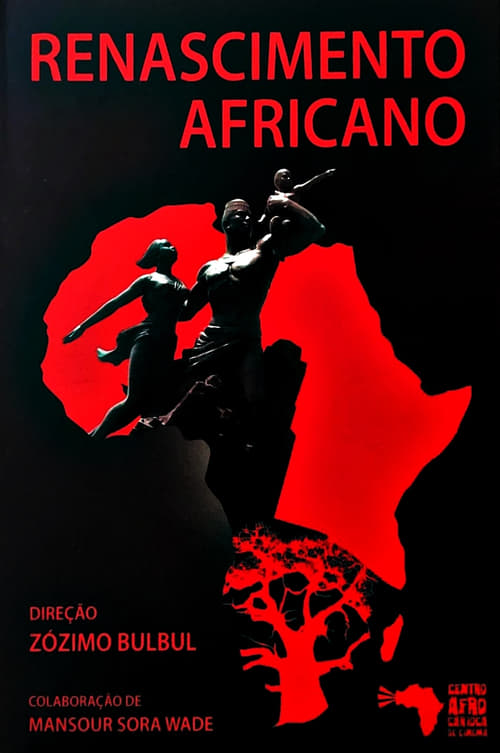
Renascimento Africano
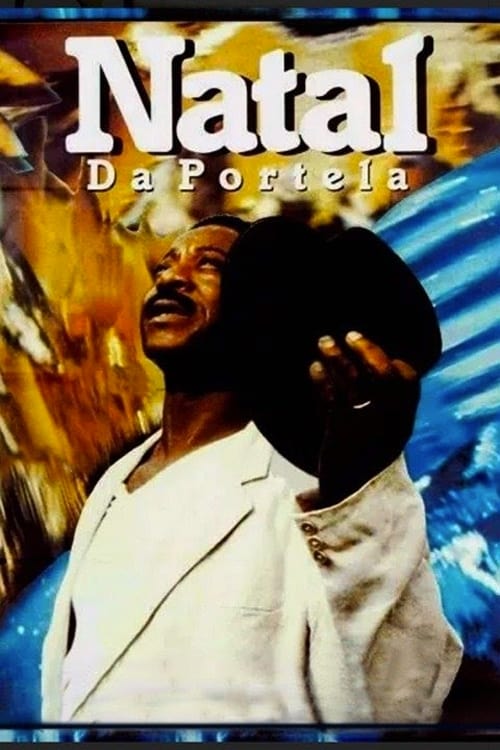
Natal da Portela
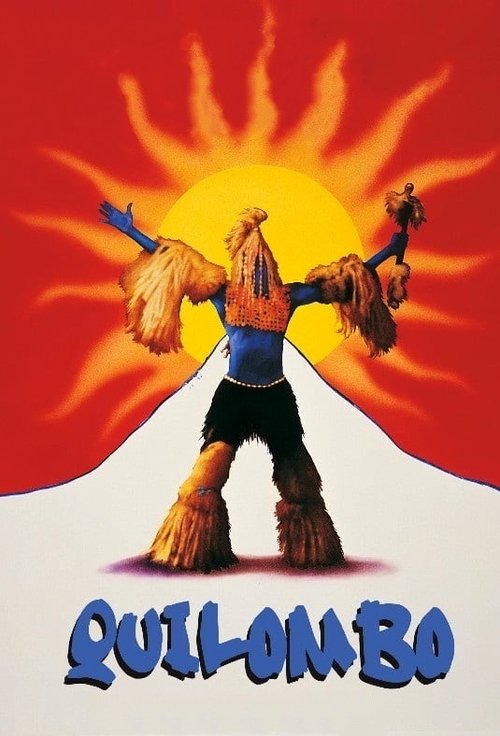
Quilombo
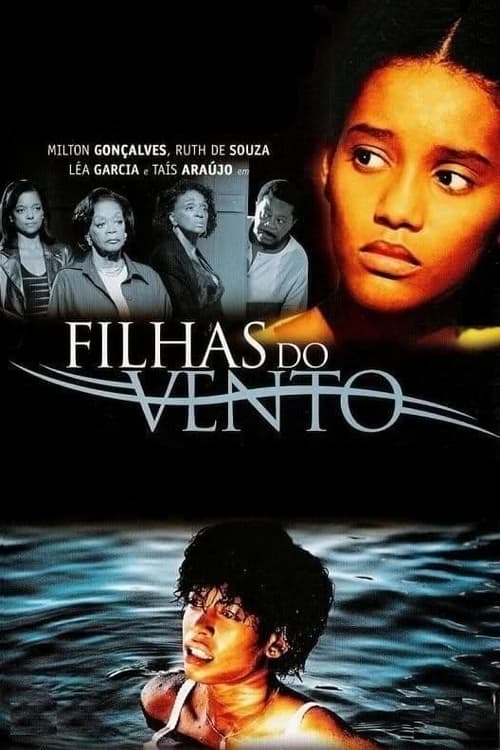
Daughters of the Wind
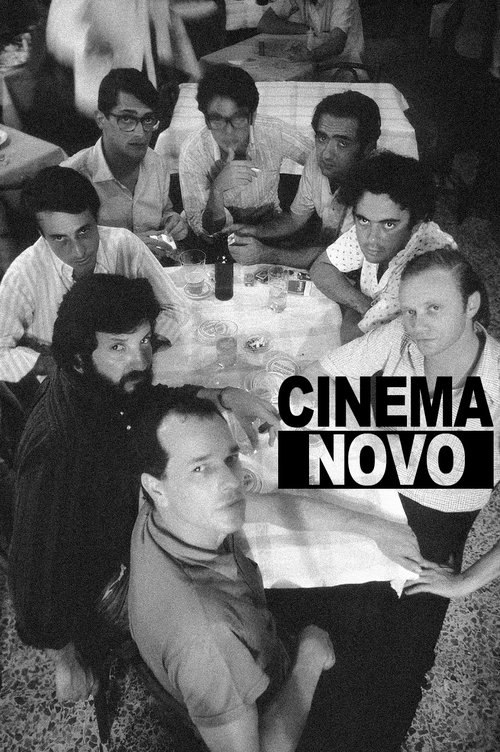
Improvised and Purposeful: Cinema Novo

The Girl and the Rapist
The War of Pelados
The Godless Bandit

Compasso de Espera
República da Traição
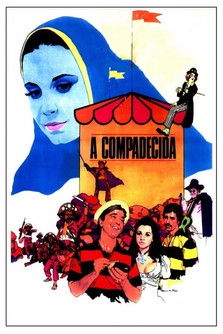
Our Lady of Compassion
Paper and Sea
Samba no Trem
República Tiradentes

Pureza Proibida