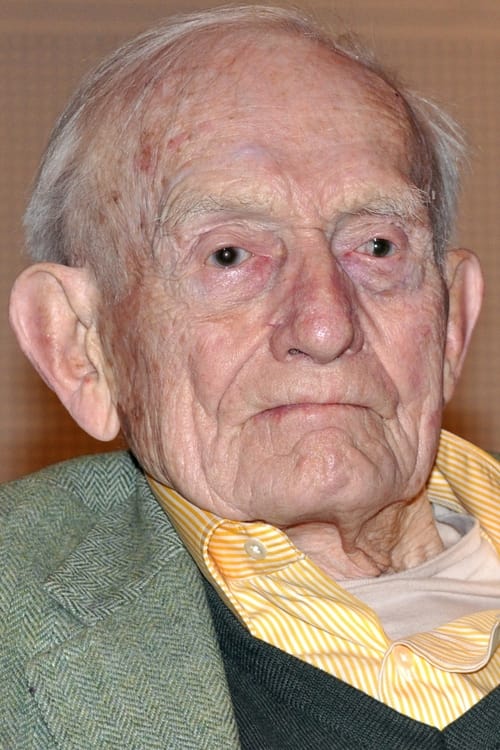
Richard Leacock
Biography
Richard Leacock (July 18, 1921 – March 15, 2011) was a pioneering American-born filmmaker, widely regarded as one of the founding figures of the cinéma vérité movement. He was a key influence on the development of observational documentary filmmaking, known for his innovative use of handheld cameras and his emphasis on capturing spontaneous, real-time events. Leacock's most notable works include Primary (1960), which followed John F. Kennedy a...
Richard Leacock (July 18, 1921 – March 15, 2011) was a pioneering American-born filmmaker, widely regarded as one of the founding figures of the cinéma vérité movement. He was a key influence on the development of observational documentary filmmaking, known for his innovative use of handheld cameras and his emphasis on capturing spontaneous, real-time events. Leacock's most notable works include Primary (1960), which followed John F. Kennedy and Hubert Humphrey during the 1960 Democratic primary campaign, and Chronicle of a Summer (1961), co-directed with Jean Rouch, a landmark film in the cinéma vérité genre. Throughout his career, Leacock collaborated with other influential filmmakers, including Robert Drew and D.A. Pennebaker, and helped shape the way documentaries were made. His legacy continues to influence contemporary documentary filmmakers.
Top Movies & Series

As I Was Moving Ahead Occasionally I Saw Brief Glimpses of Beauty
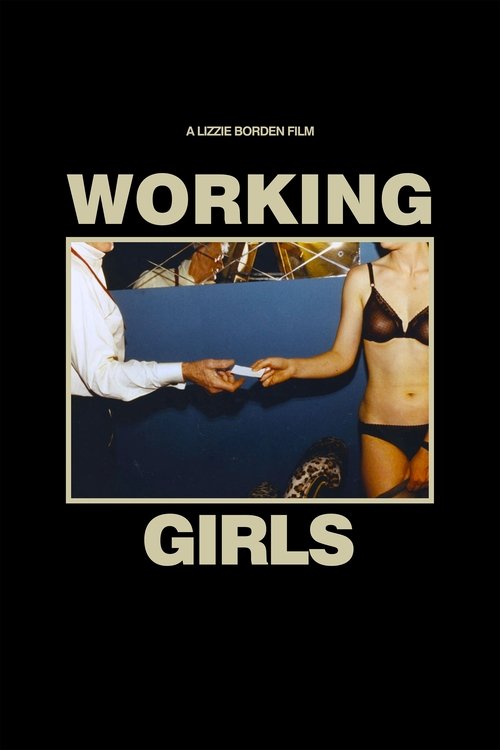
Working Girls
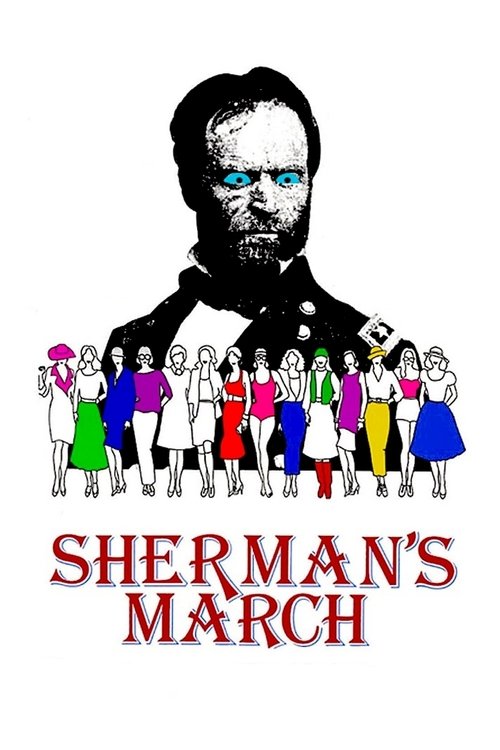
Sherman's March
Birth of a Nation

1 P.M.
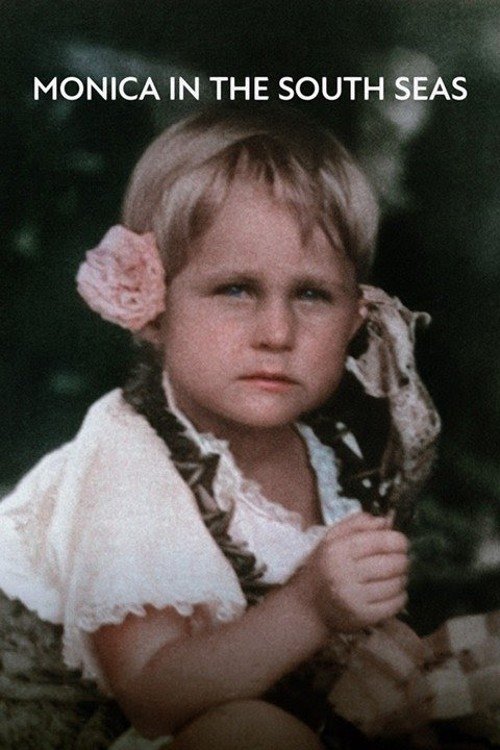
Monica in the South Seas
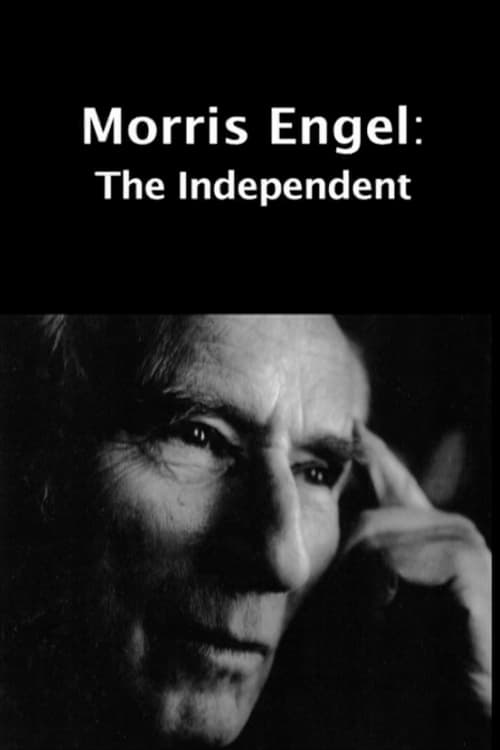
Morris Engel: The Independent
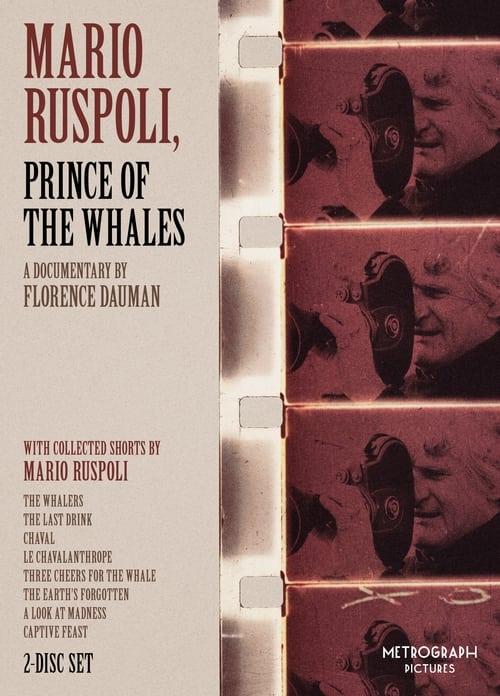
Mario Ruspoli, Prince of the Whales
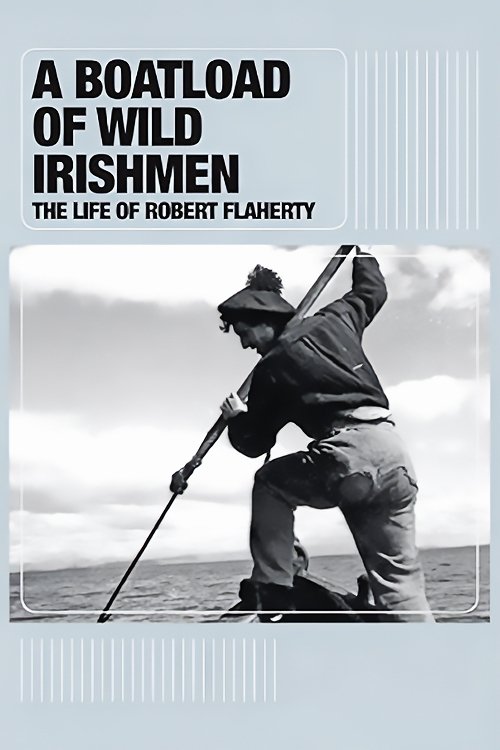
A Boatload of Wild Irishmen
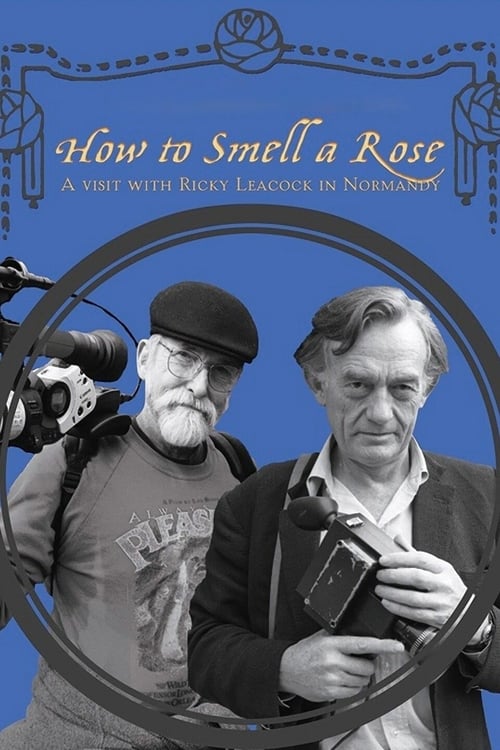
How To Smell A Rose: A Visit with Ricky Leacock at his Farm in Normandy
Reality's Invisible

Message to Man
Solstice and Solyanka

Lulu in Berlin