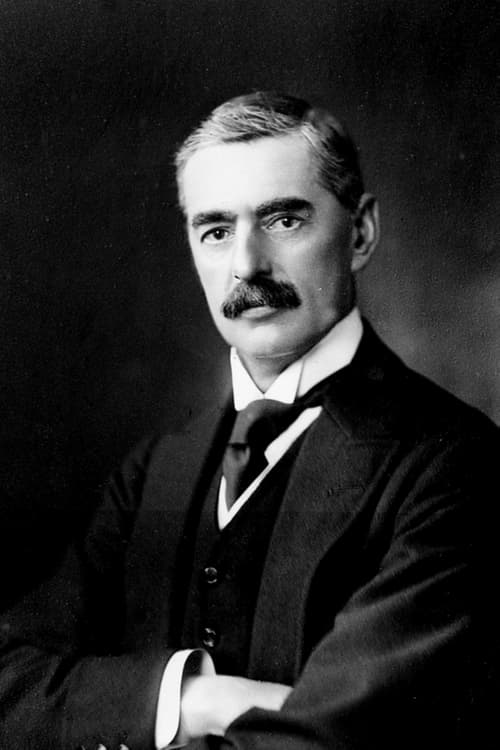
Neville Chamberlain
Biography
Arthur Neville Chamberlain (/ˈtʃeɪmbərlɪn/; 18 March 1869 – 9 November 1940) was a British politician who served as Prime Minister of the United Kingdom from May 1937 to May 1940 and Leader of the Conservative Party from May 1937 to October 1940. He is best known for his foreign policy of appeasement, and in particular for his signing of the Munich Agreement on 30 September 1938, ceding the German-speaking Sudetenland region of Czechoslovakia ...
Arthur Neville Chamberlain (/ˈtʃeɪmbərlɪn/; 18 March 1869 – 9 November 1940) was a British politician who served as Prime Minister of the United Kingdom from May 1937 to May 1940 and Leader of the Conservative Party from May 1937 to October 1940. He is best known for his foreign policy of appeasement, and in particular for his signing of the Munich Agreement on 30 September 1938, ceding the German-speaking Sudetenland region of Czechoslovakia to Nazi Germany led by Adolf Hitler. Following the invasion of Poland on 1 September 1939, which marked the beginning of the Second World War, Chamberlain announced the declaration of war on Germany two days later and led the United Kingdom through the first eight months of the war until his resignation as prime minister on 10 May 1940.
Top Movies & Series

Greatest Events of World War II in Colour

The U.S. and the Holocaust
Crusade in Europe
The BBC at War
Mussolini: The First Fascist
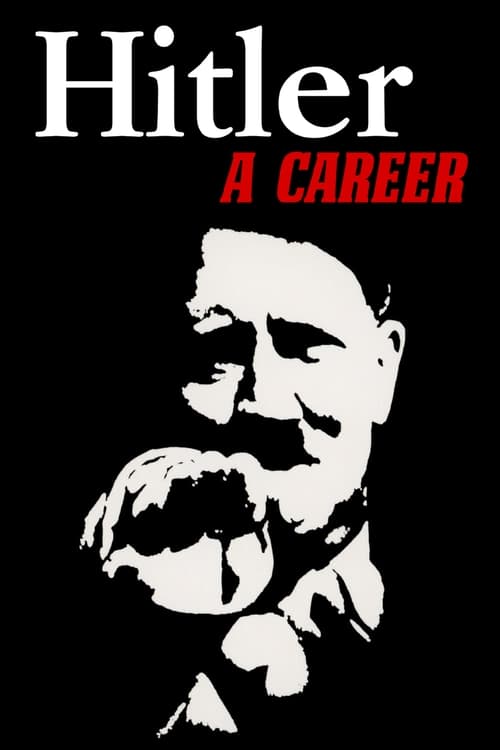
Hitler: A Career
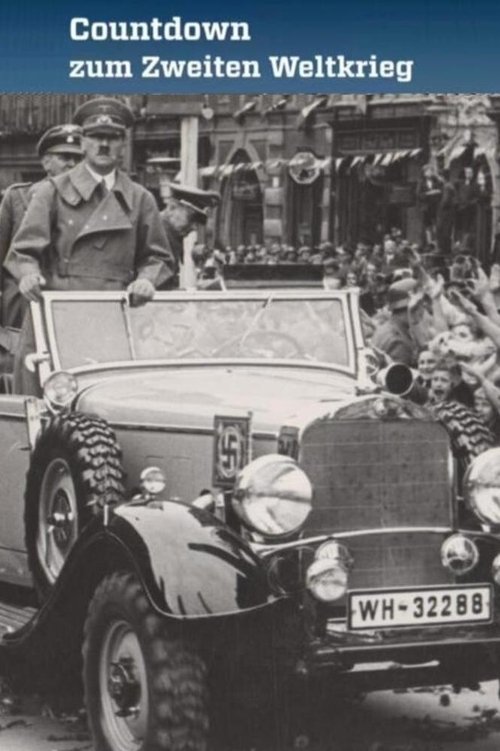
Countdown zum Zweiten Weltkrieg
A Wall in Jerusalem
The Apprenticeship of Duddy Kravitz
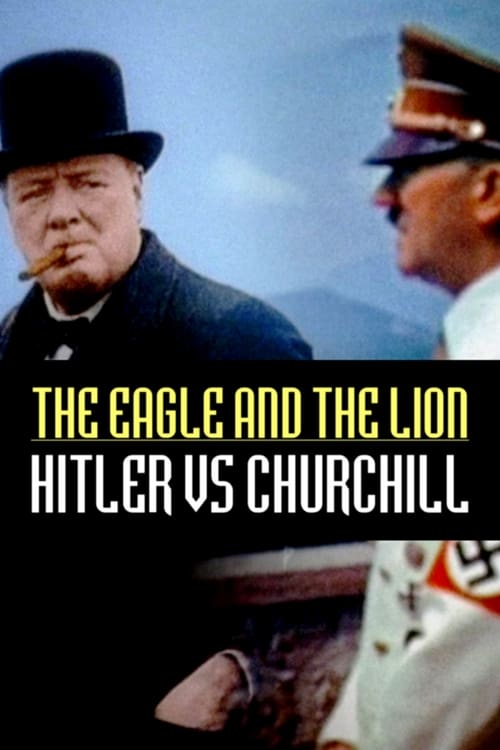
The Eagle and the Lion: Hitler vs Churchill

Hitler: The Comedy Years
The King Who Fooled Hitler
Winston Churchill: A Giant in the Century
Edward & George: Two Brothers, One Throne
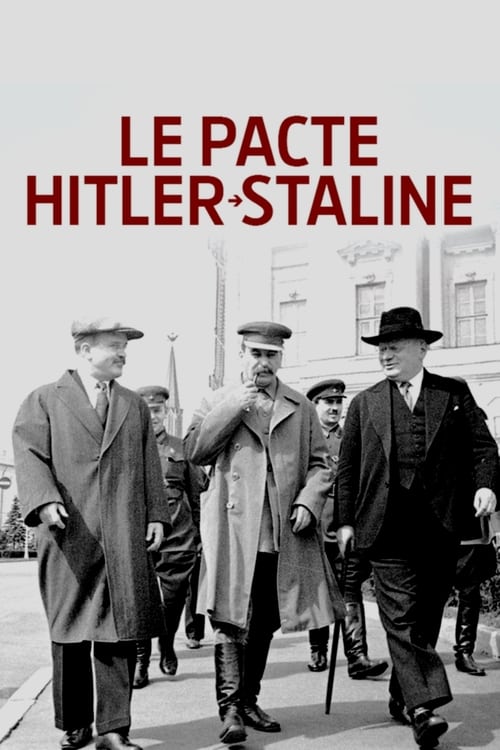
The Hitler–Stalin Pact

Why We Fight: The Nazis Strike
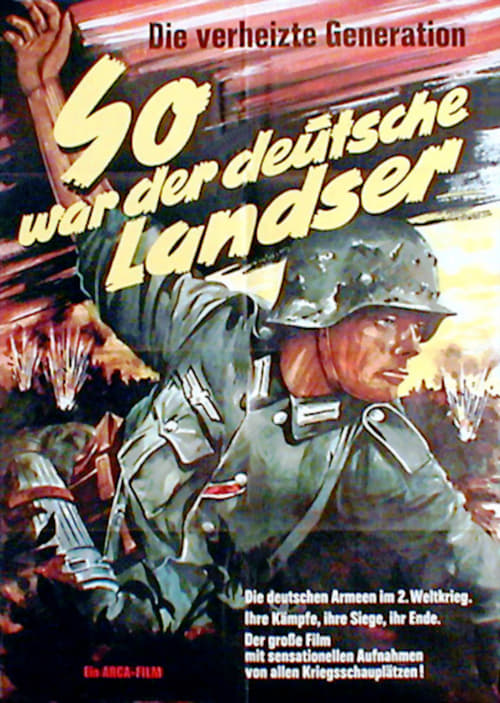
So war der deutsche Landser
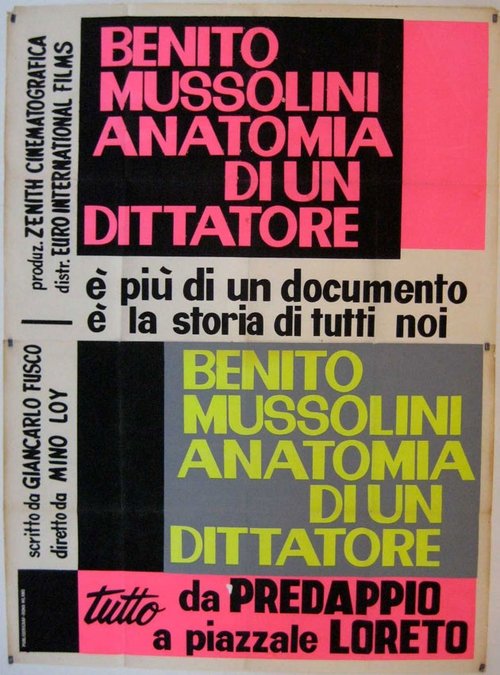
Benito Mussolini: Anatomy of a Dictator
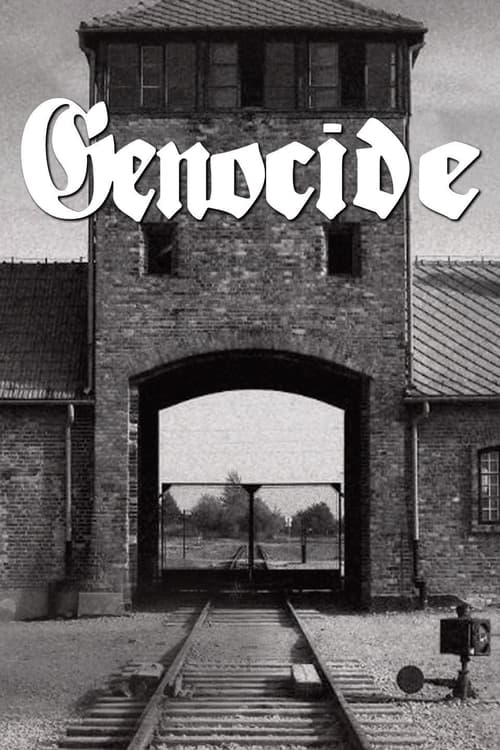
Genocide
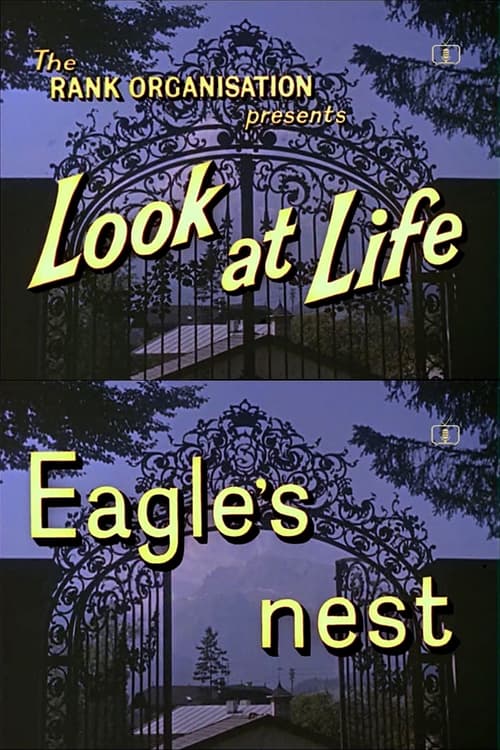
Look at Life: Eagle's Nest

The Phoney War
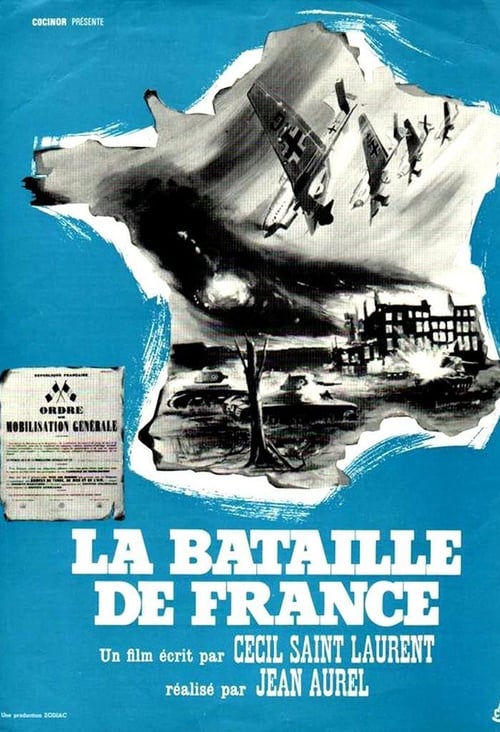
The Battle of France
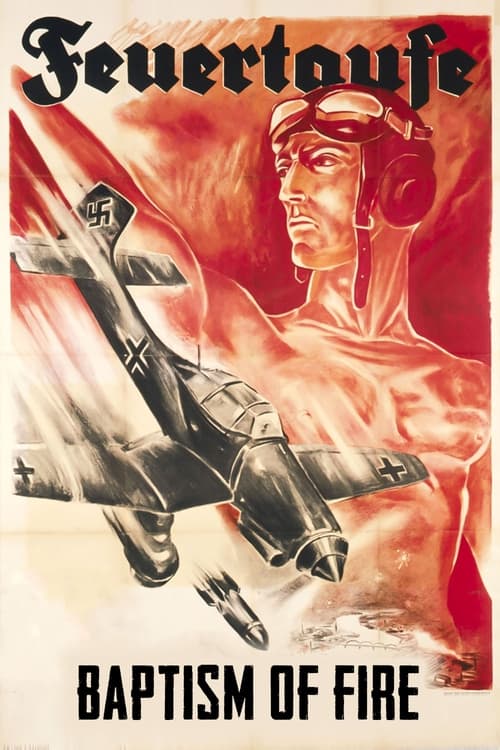
Baptism of Fire
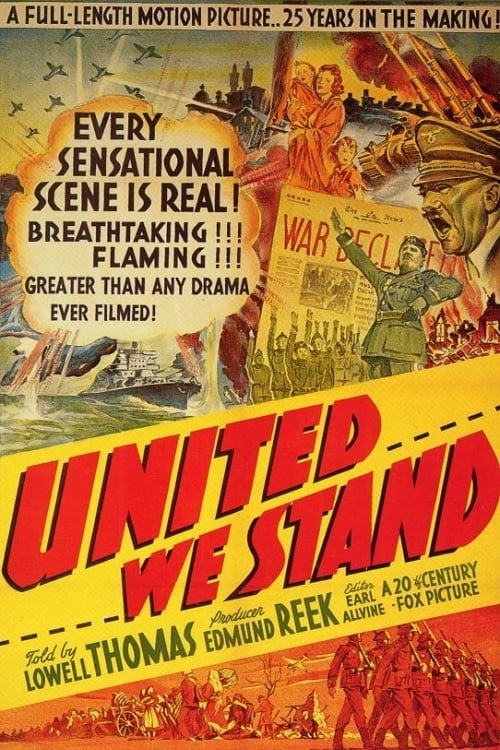
United We Stand